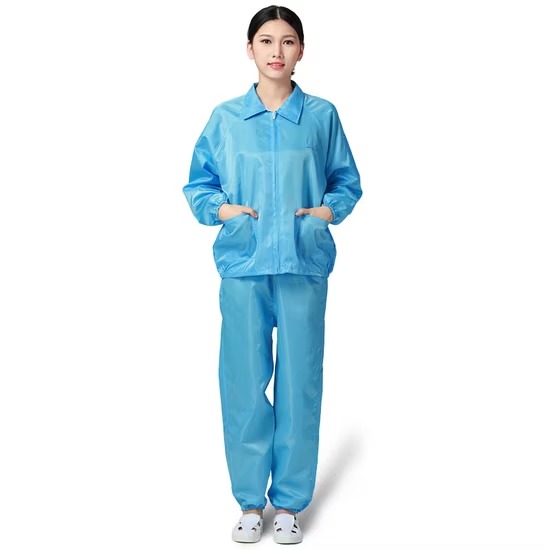
Cleanroom Suits – Essential Apparel for Contamination Control
Introduction
In modern industries such as electronics, pharmaceuticals, biotechnology, aerospace, and medical devices, maintaining a clean and controlled environment is critical. Even the smallest particles, fibers, or microorganisms can compromise product quality, safety, and compliance. One of the most effective ways to minimize contamination risks is through the use of cleanroom suits.
Cleanroom suits, also known as coveralls or bunny suits, are specially designed garments that protect both the cleanroom environment and the wearer. By preventing particles, lint, and static charges from escaping into sensitive areas, they play a vital role in ensuring compliance with international cleanroom standards such as ISO 14644.
This article explores the features, benefits, applications, and best practices of cleanroom suits to help businesses choose the right apparel for their facilities.
What Is a Cleanroom Suit?
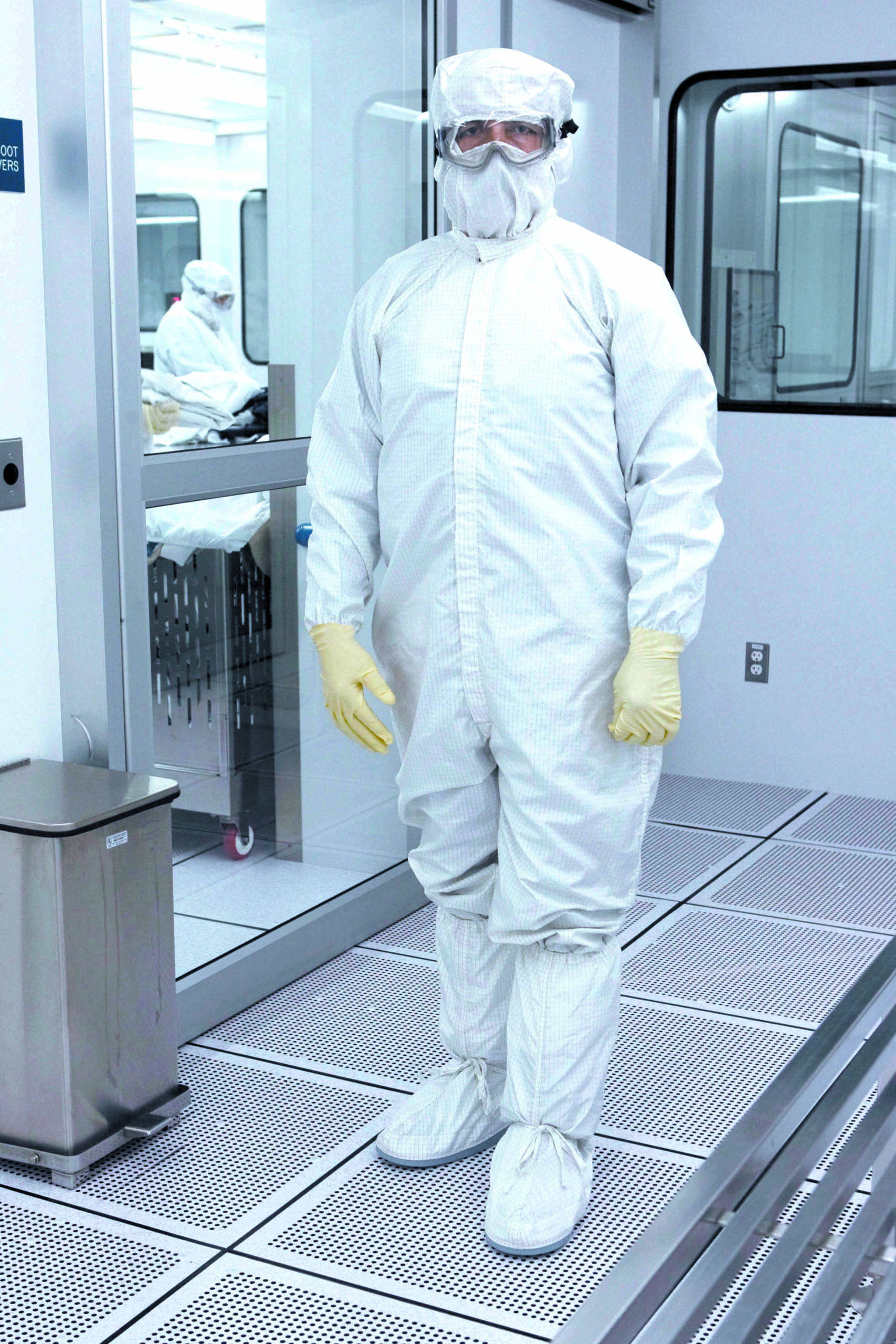
A cleanroom suit is a full-body garment designed to cover workers from head to ankle, sometimes paired with accessories like hoods, gloves, masks, and boot covers. These suits are manufactured from low-linting, anti-static, and breathable fabrics to ensure maximum protection against contamination.
Unlike regular protective clothing, cleanroom suits undergo specialized processing and packaging to meet strict cleanroom cleanliness levels.

Key Features of Cleanroom Suits
- Fabric Technology
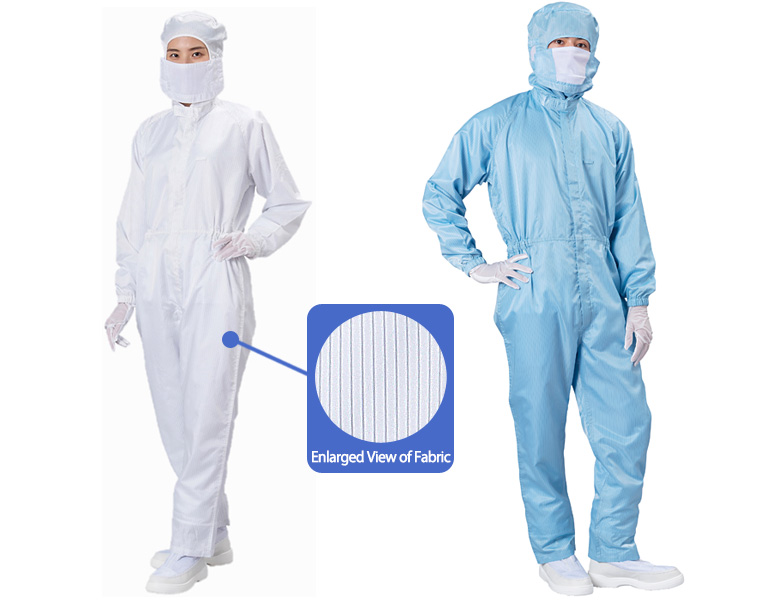
Cleanroom suits are typically made from polyester or polypropylene fabrics woven with carbon fiber filaments to provide both particle control and electrostatic discharge (ESD) protection.
- Full-Body Coverage
They are designed to cover the entire body, minimizing skin shedding and fiber release. Some models come with attached hoods and boot covers for maximum protection.
- Seam and Zipper Construction
Specialized stitching and concealed zippers prevent particles from leaking through garment seams.
- Reusability Options
- Disposable cleanroom suits – lightweight, economical, and designed for single use.
- Reusable cleanroom suits – durable, launderable, and cost-effective for long-term use.
- Compliance with Standards
High-quality cleanroom suits meet industry standards for cleanliness, static control, and contamination prevention.
Benefits of Using Cleanroom Suits
- Contamination Control
The primary function of cleanroom suits is to prevent human-borne contamination. Workers naturally shed skin cells, hair, and fibers—cleanroom suits keep these particles from entering the controlled environment.
- ESD Protection
Many cleanroom suits incorporate ESD-safe fabrics, preventing static discharge that can damage sensitive electronics and semiconductors.
- Worker Safety and Comfort
Modern cleanroom suits are lightweight, breathable, and ergonomically designed, ensuring comfort during long working hours.
- Regulatory Compliance
Industries such as pharmaceuticals and medical devices must comply with strict cleanliness standards. Cleanroom suits help meet these requirements and reduce audit risks.
- Cost Efficiency
Using cleanroom suits reduces product defects, contamination-related downtime, and costly rework.
Applications of Cleanroom Suits
Cleanroom suits are widely used in industries where contamination and electrostatic discharge are critical concerns:
- Electronics manufacturing – protecting sensitive PCBs and microchips.
- Pharmaceuticals and biotechnology – preventing microbial contamination.
- Semiconductor industry – ensuring particle-free environments.
- Aerospace and defense – safeguarding mission-critical components.
- Medical device assembly – maintaining sterility and compliance.
In many facilities, cleanroom suits are used in combination with ESD shoes and ESD shoe covers to ensure complete static control and cleanliness.
Cleanroom Suits vs. Regular Protective Clothing
While both provide worker protection, there are significant differences:
- Regular protective clothing: Shields workers from chemicals or hazards but does not prevent lint or particles.
- Cleanroom suits: Designed specifically to protect the cleanroom environment by controlling contamination and static discharge.
This makes cleanroom suits essential in highly regulated and particle-sensitive industries.
How to Choose the Right Cleanroom Suit
When selecting cleanroom suits, businesses should consider:
- Cleanroom Classification – Ensure the suit meets ISO class standards (ISO Class 3 to ISO Class 8).
- Disposable or Reusable – Choose based on budget, frequency of use, and facility requirements.
- Material Properties – Look for anti-static, low-linting, and breathable fabrics.
- Design Features – Options with hoods, boot covers, or integrated face masks for maximum protection.
- Compliance – Verify that suits meet international standards such as ISO 14644 and GMP requirements.
For best results, cleanroom suits should be paired with other protective apparel like ESD gloves and face masks to create a complete contamination control system.
Best Practices for Using Cleanroom Suits
- Donning and Doffing Procedures: Train workers on proper techniques to avoid contamination during gowning.
- Storage and Packaging: Store suits in clean, sealed packaging until use.
- Regular Laundering: For reusable suits, follow strict laundering and sterilization protocols.
- Inspection and Replacement: Check for wear, tears, or contamination before each use.
- Integration with Other PPE: Combine suits with gloves, masks, shoe covers, and hoods for maximum cleanliness.
Conclusion
Cleanroom suits are an indispensable part of contamination control and static protection in industries where precision and cleanliness are non-negotiable. By covering the entire body and preventing particle release, they ensure product safety, regulatory compliance, and operational efficiency.
Whether disposable or reusable, cleanroom suits are a critical investment for any facility operating in electronics, pharmaceuticals, semiconductors, aerospace, or medical device manufacturing.
When combined with complementary equipment like ESD shoes, ESD shoe covers, and ESD gloves, they form a robust contamination and ESD protection system that safeguards both workers and products.