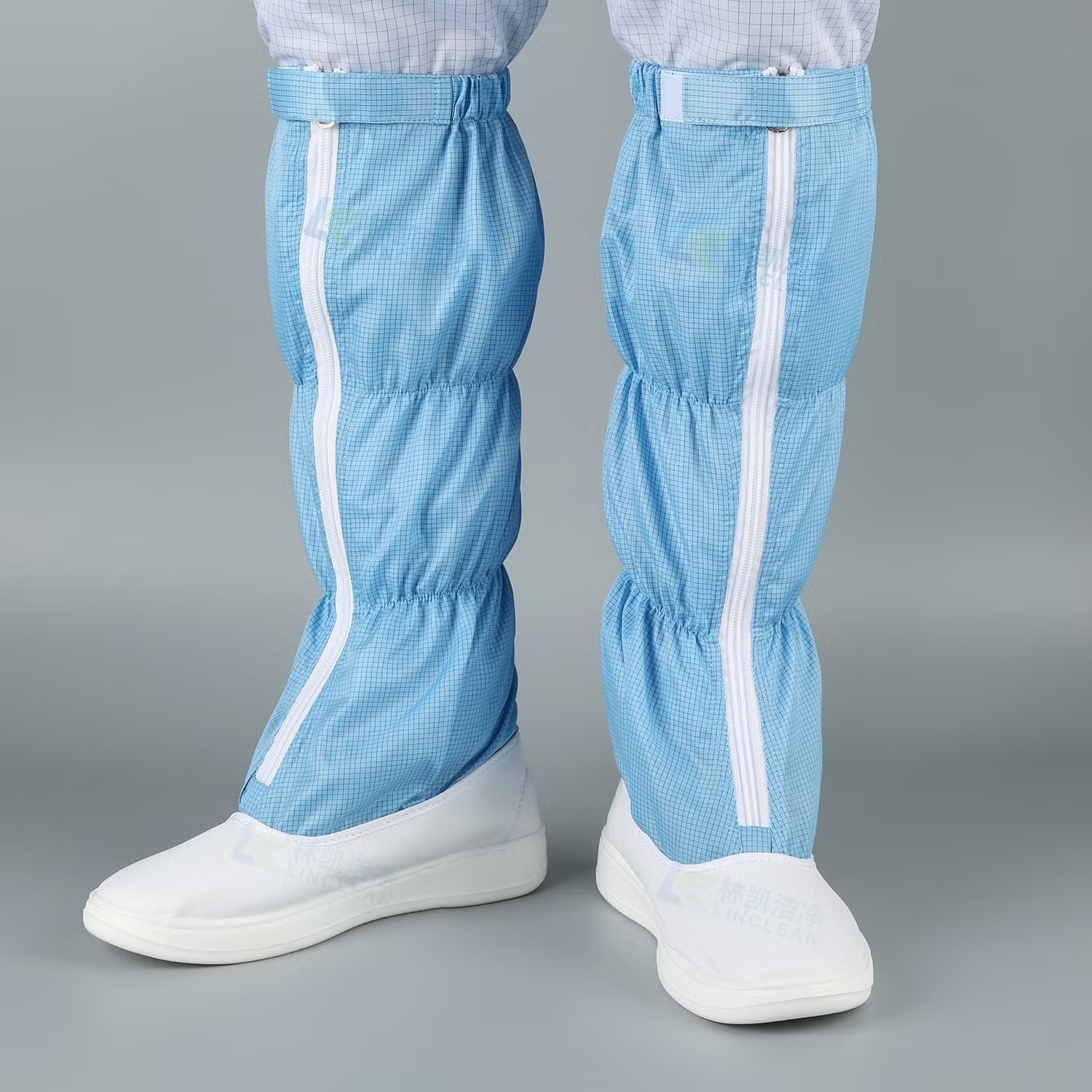
ESD Shoes – Reliable Footwear for Static Control in Sensitive Work Environments
Introduction
In industries such as electronics, semiconductors, cleanrooms, and laboratories, controlling electrostatic discharge (ESD) is critical. Even the smallest static charge can damage delicate components or disrupt production. While ESD wrist straps, mats, and grounding systems are commonly used, one essential element often overlooked is ESD shoes.
These specialized shoes are designed to safely dissipate static charges from the human body to the ground, ensuring both worker safety and product protection. In this article, we will explore the definition, features, benefits, applications, and best practices of ESD shoes to help businesses choose the right footwear for their static-control programs.
What Are ESD Shoes?
ESD shoes, also known as anti-static shoes, are specially manufactured footwear that prevents the buildup of static electricity. They are made using conductive or dissipative materials in the sole and insole, allowing electrical charges to flow safely through the body to the ground.
Unlike regular safety shoes, ESD shoes are part of a complete static-control system in electronics assembly lines, semiconductor facilities, cleanrooms, and laboratories, where even a small electrostatic discharge can cause significant damage.
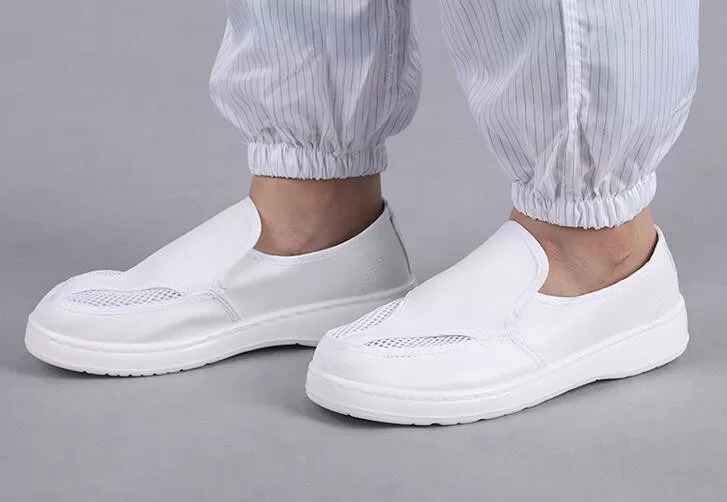
Key Features of ESD Shoes
- Conductive Sole Materials
The most critical feature is the sole, made from carbon, rubber, or polyurethane with conductive additives, which ensures continuous grounding.
- Comfort and Ergonomic Design
Since workers often stand for long hours, ESD shoes are designed for comfort with cushioned insoles, breathable uppers, and lightweight construction.
- Durability
High-quality ESD shoes provide long-term performance, resisting wear and tear even in demanding industrial environments.
- Compliance with Standards
Certified ESD shoes meet international standards such as ANSI/ESD STM9.1, IEC 61340, and EN 61340, ensuring reliable static control.
- Variety of Styles
ESD shoes are available in multiple styles, including:
- Safety boots with toe protection.
- Casual work shoes for cleanroom and assembly use.
- Slip-on shoes for quick wear in laboratories.
- Sandals and clogs for comfort in light-duty tasks.
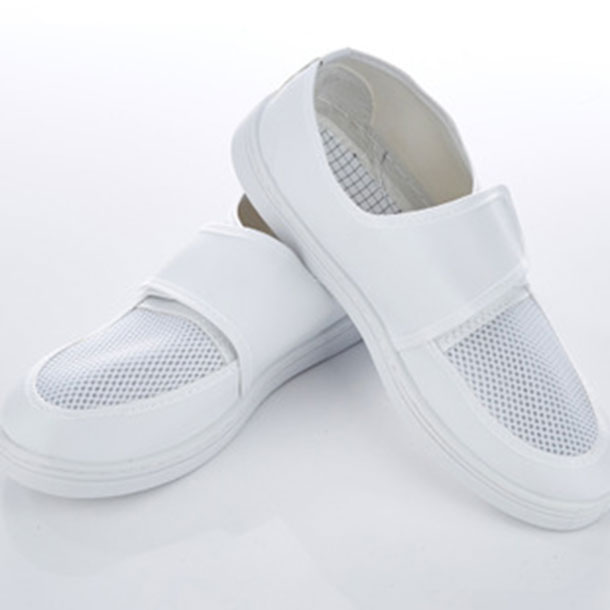
Benefits of ESD Shoes
- Protection of Sensitive Equipment
By dissipating static charges, ESD shoes prevent damage to semiconductors, printed circuit boards (PCBs), and microelectronic devices.
- Worker Safety
While not designed as electrical safety shoes, ESD footwear reduces static shock to workers, providing a safer work environment.
- Improved Productivity
Consistent grounding reduces the risk of product failures, ensuring smooth workflow and minimizing costly rework.
- Comfort and Long-Term Wear
High-quality ESD shoes are lightweight, breathable, and cushioned, helping workers stay comfortable during long shifts.
Applications of ESD Shoes
ESD shoes are widely used in industries such as:
- Electronics manufacturing – for PCB assembly, chip handling, and device packaging.
- Semiconductors – where static damage can cause catastrophic failures.
- Pharmaceuticals and laboratories – to maintain contamination-free environments.
- Cleanrooms – ensuring both particle control and static discharge prevention.
- Aerospace and defense – where static protection is mission-critical.
In many cases, ESD shoes are used together with ESD flooring to ensure proper grounding and reliable charge dissipation.
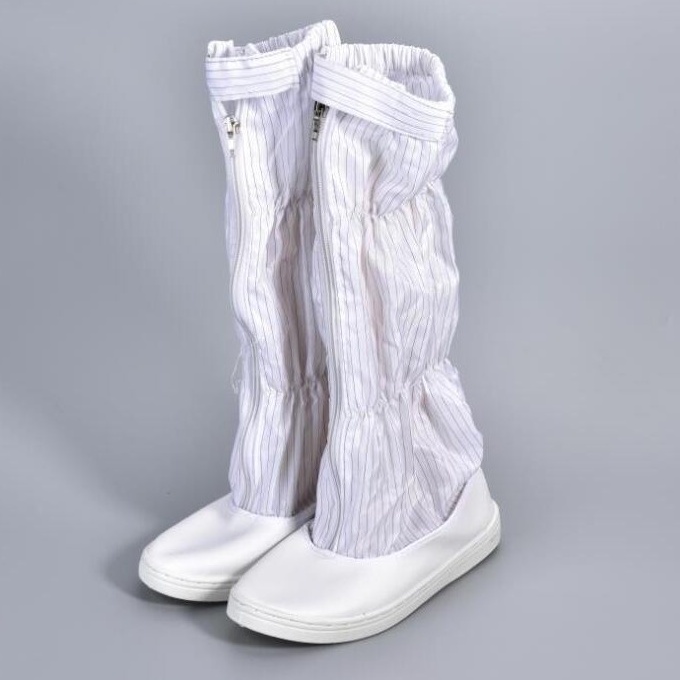
ESD Shoes vs. Regular Safety Shoes
While both types of footwear protect workers, they serve different purposes:
- Safety shoes: Designed to protect against physical hazards such as falling objects, slips, or punctures.
- ESD shoes: Designed specifically for electrostatic discharge protection.
Some models combine both features, offering toe protection and static dissipation in a single pair of shoes.
How to Choose the Right ESD Shoes
When selecting ESD shoes, businesses should consider:
- Type of Work Environment – Cleanroom, electronics assembly, or heavy-duty manufacturing.
- Style and Comfort – Slip-on, lace-up, sandals, or boots depending on tasks.
- Compliance – Ensure the shoes meet IEC 61340 or ANSI/ESD standards.
- Flooring Compatibility – Use in combination with ESD-safe flooring for best performance.
- Durability and Cost – Balance quality with long-term investment.
For additional protection, ESD shoes can be paired with ESD wrist straps and ESD chairs to form a comprehensive static-control system.
Best Practices for Using ESD Shoes
- Regular Testing: Check ESD shoes with resistance testers to ensure proper conductivity.
- Use with ESD Flooring: Combine with conductive or dissipative flooring for maximum effectiveness.
- Wear Properly: Ensure full contact between the insole and the worker’s foot.
- Replace When Worn Out: Old shoes lose conductivity and must be replaced regularly.
- Training: Educate staff on correct usage as part of the facility’s ESD control program.
Conclusion
ESD shoes are a vital component of any electrostatic discharge protection program. By safely grounding static charges, they protect workers, equipment, and products in sensitive environments. Whether in electronics, cleanrooms, or laboratories, investing in the right ESD shoes enhances both safety and productivity.
When combined with other ESD-safe solutions such as ESD flooring, ESD wrist straps, and ESD chairs, businesses can establish a comprehensive defense against static-related risks.